The European Clay-Court Season: A Beginner’s Guide
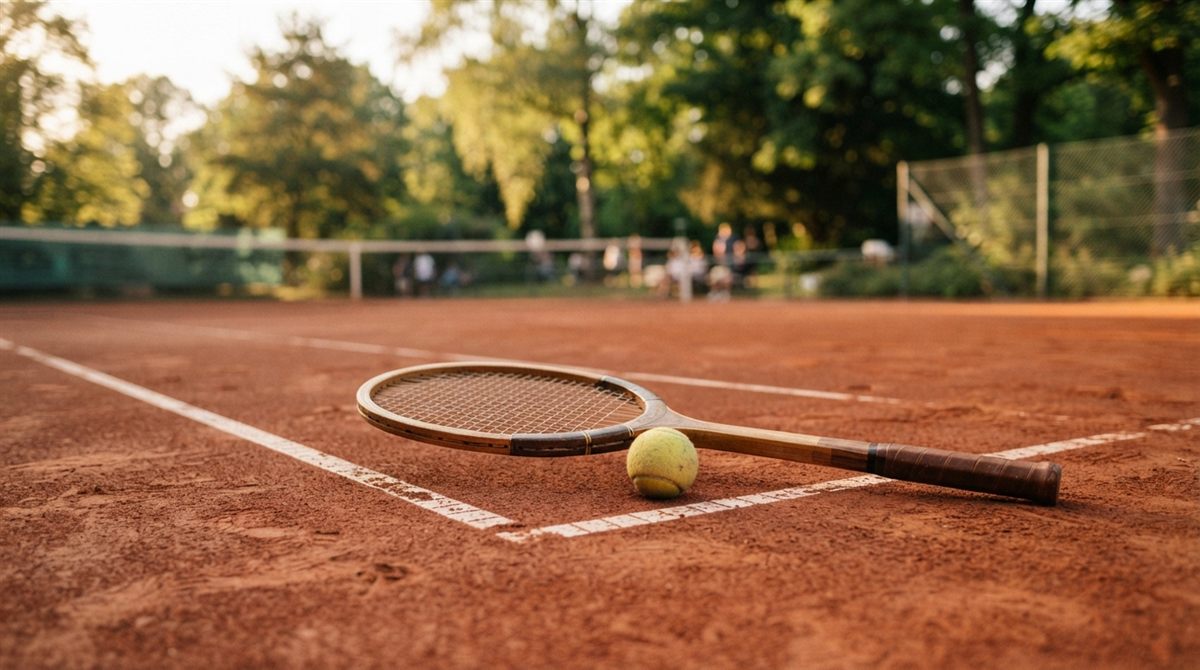
Each spring the tennis tour moves to Europe’s red clay. The change of surface rewards different skills and produces a distinctive rhythm of tournaments leading to Roland-Garros.
Why clay is different
On clay the ball bounces higher and slows down more than on hard courts. Rallies tend to be longer, and players slide into shots rather than stopping abruptly. Physical endurance, patience and heavy topspin are often rewarded.
The spring swing
The clay calendar in Europe typically includes:
- Monte-Carlo: a Masters-level event on the Mediterranean coast that traditionally opens the European clay swing.
- Barcelona: a long-running tournament with deep history.
- Madrid: played at altitude, where the thinner air makes the ball travel faster than at other clay events.
- Rome: held at the Foro Italico and a key warm-up for Paris.
- Roland-Garros: the clay Grand Slam in Paris, held in late May and early June.
Strategy on clay
Players often use more spin and height to push opponents behind the baseline, and drop shots become effective because the soft surface slows the ball. Defence can turn into attack quickly, so reading patterns matters.
From clay to grass
Soon after Paris, the tour switches to grass. The ball skids lower and faster, points are shorter and serve plus first-strike tennis gains value. Wimbledon, first held in 1877, remains the only Grand Slam on grass. The grass season is brief, so players have only a few weeks to adjust.
Adapting between surfaces
The quick turnaround from clay to grass is one of the toughest tests of the calendar, which is why versatile players stand out.
How to follow the season
Schedules, ranking points and prize money change over time. Check the official tour and tournament websites for current information.
An evergreen explainer, not breaking news. Rules and formats change, so check official sources for current details. See our Editorial Policy and Disclaimer.