The Anatomy of a Formula 1 Race Weekend
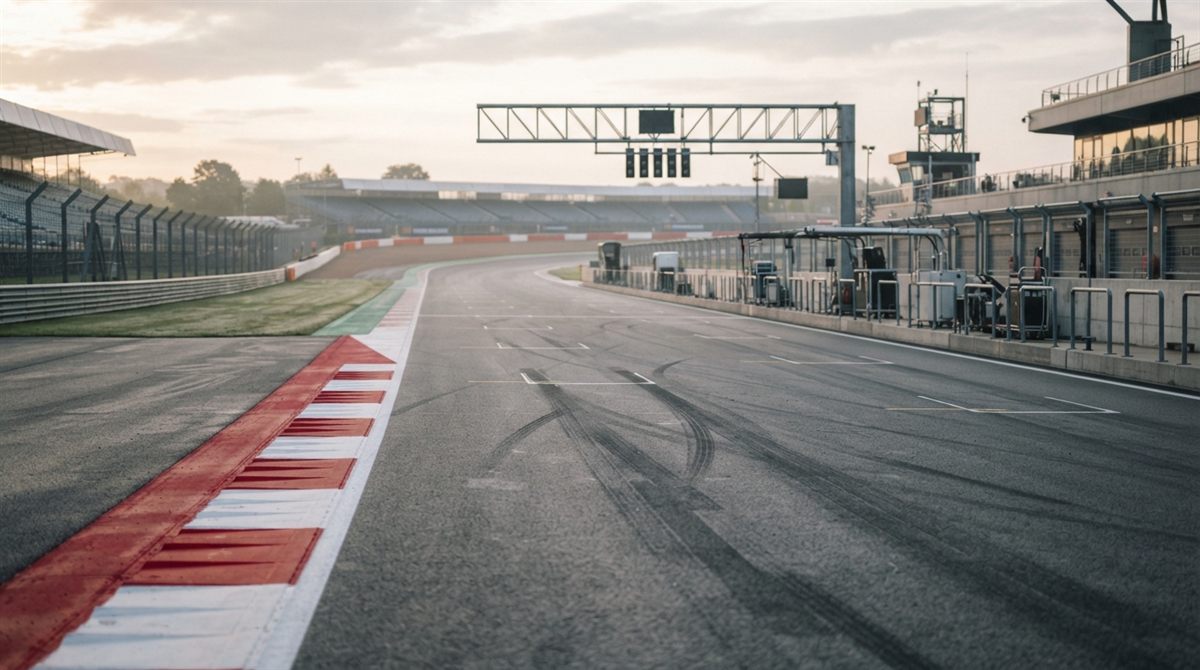
A Grand Prix weekend contains much more than the Sunday race. This guide walks through the sessions and the rules that shape them.
The standard weekend
A conventional weekend has three practice sessions, qualifying and the race. Teams use practice to learn the track, test tyre compounds and set up the car. Qualifying decides the starting grid, and the race takes place on Sunday.
How qualifying works
Qualifying is split into three knockout segments:
- Q1: all 20 cars take part and the slowest five are eliminated.
- Q2: the remaining 15 cars compete and the slowest five are again eliminated.
- Q3: the final 10 fight for pole position and the top of the grid.
Sprint weekends
Some events use a sprint format. These weekends have fewer practice sessions, a shorter sprint race and a separate qualifying session for the Grand Prix. Points are awarded in the sprint to the leading finishers, so Saturday carries real championship value.
The race
A Grand Prix covers a distance of just over 300 kilometres, except at Monaco where it is shorter, and has a maximum time limit. In dry races drivers generally must use at least two different tyre compounds, which makes pit-stop strategy central.
Points
Points are awarded to the top 10 finishers: 25, 18, 15, 12, 10, 8, 6, 4, 2 and 1. A bonus point for the fastest lap was removed from the 2025 season. The drivers’ and constructors’ championships are decided by totals across the season.
A note on changing rules
Technical and sporting regulations are revised regularly by the FIA, sometimes with major changes between seasons. Check the official regulations for the current year.
An evergreen explainer, not breaking news. Rules and formats change, so check official sources for current details. See our Editorial Policy and Disclaimer.